Built for India
India’s demand for electricity keeps climbing, and its goal of 100 GW of nuclear power by 2047 needs reactors that can be built quickly and sited widely. Qark One is designed for that job.

India has set out to build 100 GW of nuclear power by 2047.
More power, around the clock
India is adding solar and wind at a record pace, with a goal of 500 GW of non-fossil capacity by 2030. Sun and wind still come and go, and the grid also needs power that runs day and night, in every season.
Nuclear power provides that firm supply without burning fuel. India has set out to expand it to 100 GW by 2047, roughly ten times what it runs today, and small modular reactors are part of how it plans to get there.

Where Qark One fits
-
Retiring thermal power stations
Coal stations already have grid connections, cooling water, rail access and skilled people. A Qark One unit is sized to reuse them.
-
Industrial clusters
Plants that need both electricity and steam can take both from one reactor, around the clock.
-
Coastal sites
Near the sea, part of the steam can drive desalination for water-stressed cities and industry.
Made in India
Qark One is designed around components that Indian industry can make in its own workshops. India’s heavy-engineering firms have built reactor components for decades, and a plant that draws on them keeps jobs, skills and spending in the country.
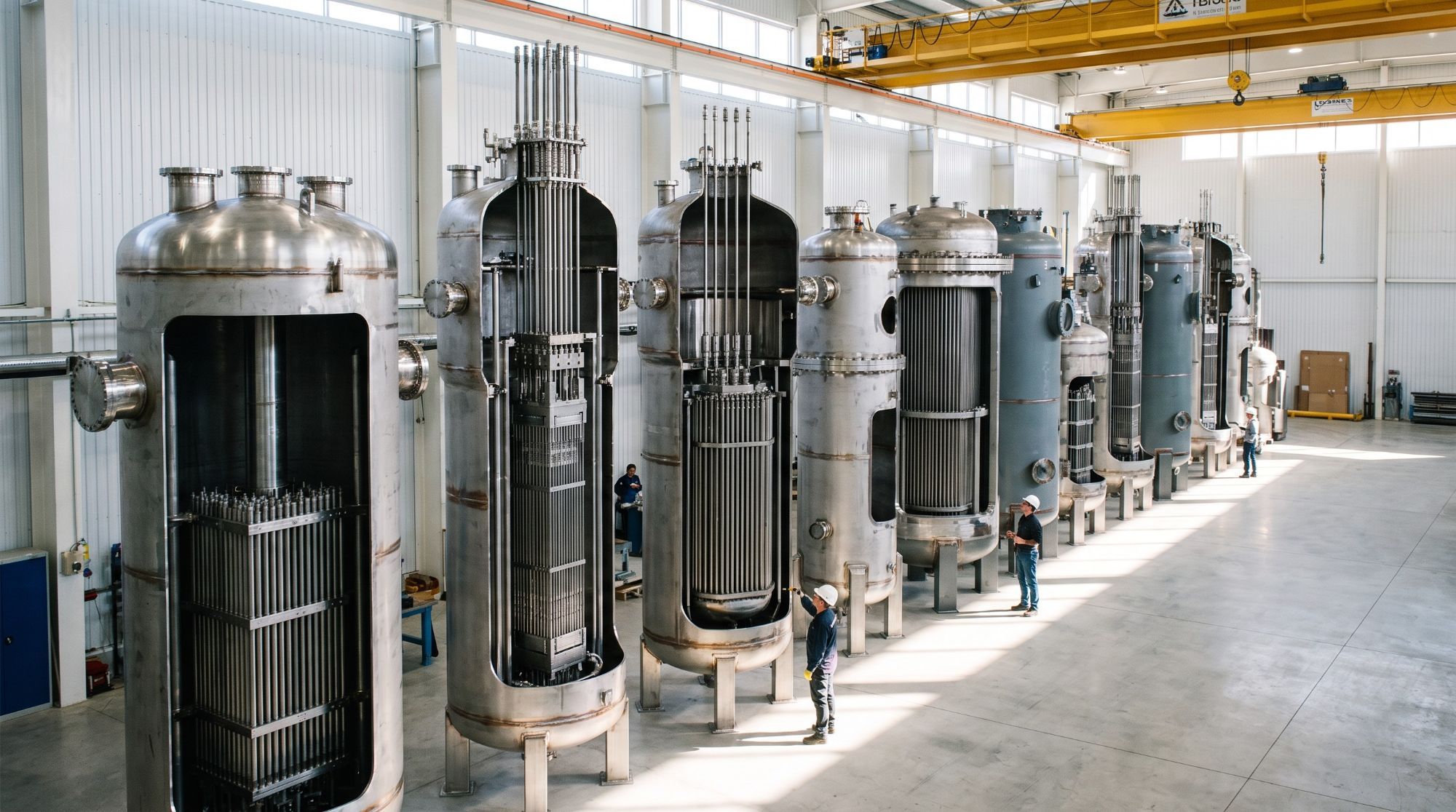
What Indian industry would build
- Heavy forgings and vessels
- Pressure tubes and calandria components
- Steam drums, piping and valves
- Fuel handling and refuelling equipment
- Instrumentation and control
- Civil construction and cranes
a supplier
Our first plant
We have not announced a site. When we do, this page will carry the project’s details, its timeline and how to reach the project team.
If you represent a state government, a utility or an industrial park that could host Qark One, we would like to hear from you.